
Quick Read
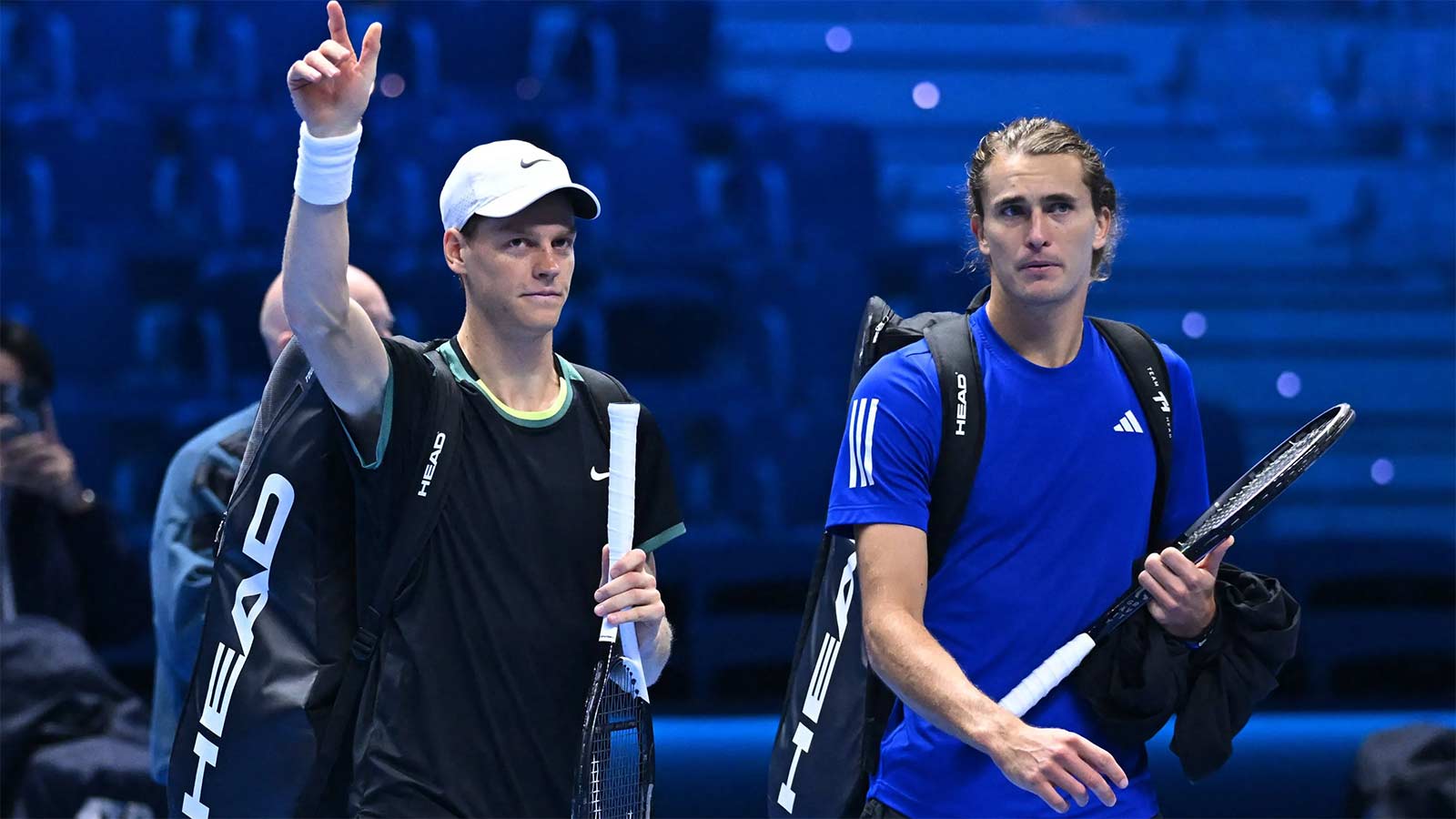
- Jannik Sinner and Alexander Zverev meet in the Erste Bank Open 2025 final at Vienna’s Marx-Halle.
- Sinner has a 20-match unbeaten streak indoors and won their last two encounters.
- Zverev leads their head-to-head 4-3 but acknowledges Sinner’s recent dominance.
- The Marx-Halle venue offers fans close-up access and expanded tournament capabilities.
- Both players emphasize preparation, recovery, and tactical precision for the final.
Historic Marx-Halle Hosts a New Era for Vienna Tennis
Vienna has long been a city of tradition, but this October, the Erste Bank Open took a bold leap into its past to carve out a new future. The Marx-Halle, once the heart of the city’s cattle trade for over a century, now pulses with the rhythm of top-tier tennis. For the first time, qualifying and main-draw matches unfolded beneath its iron arches, transforming the venue into a modern stage for the ATP 500 tournament.
Tournament director Herwig Straka saw potential where others saw history. By repurposing the Marx-Halle, he not only expanded the tournament’s footprint but elevated its experience for both athletes and fans. “We found Marx-Halle and knew it was brilliant because it has enough space,” Straka shared with ATPTour.com. The move wasn’t just about logistics—it was about creating an atmosphere where spectators could feel the energy up close, and players could thrive in optimal conditions.
The feedback has been resoundingly positive. With two match courts and a dedicated practice area, the Marx-Halle can accommodate up to 25,000 fans. Its layout enables wheelchair events and future expansions, setting a new standard for indoor tennis in Vienna.
Sinner and Zverev: Titans Set for a Vienna Rematch
All eyes now turn to the final: Jannik Sinner versus Alexander Zverev. It’s more than just another match—it’s the eighth chapter in a compelling rivalry, with Zverev holding a narrow 4-3 edge in head-to-head encounters. Yet, Sinner arrives as the clear favorite, riding a wave of 20 consecutive indoor victories and having bested Zverev in their last two meetings.
Their most recent clash was at the Australian Open in January, where Sinner defended his title in straight sets. Zverev, reflecting on that loss, acknowledged the Italian’s formidable skills: “You have to perform at your best to challenge Jannik; otherwise, you will not have any chance,” he admitted to Tennis World USA. Zverev’s respect for Sinner is palpable, especially for his footwork and balance—qualities that have made Sinner one of the sport’s most complete competitors.
This final isn’t just about the trophy; it’s a test of adaptability, precision, and mental resilience. Both players know each other’s game intimately, and with the stakes at their highest, the margin for error is razor-thin.
Inside the Players’ Preparation: Recovery, Strategy, and Mindset
For Zverev, preparation is everything. With limited time between the semifinals and the final, recovery becomes a science. “I will do physical therapy and then go to sleep. The final starts quite early, and there’s not much time for preparation,” he explained. Zverev is acutely aware that his serve will be the key—if he can find his rhythm and consistency, he stands a fighting chance against Sinner’s relentless baseline play.
Sinner, meanwhile, has been a model of consistency throughout the 2025 season. Ten tournaments, eight finals, and a hunger for more. His ability to maintain composure under pressure—never letting errors compound, always ready to strike—has made him the player to beat. Watching him practice at Marx-Halle, fans and fellow athletes alike are struck by his speed and control.
“Jannik maintains his speed without making errors. He is always ready to strike well regardless of the situation. He is probably the best player in the world in terms of footwork. His body control is incredible, with constant balance,” Zverev observed.
Fans, Atmosphere, and the Future of Vienna’s Tennis
The Marx-Halle’s transformation has done more than just provide a venue—it’s given fans a new way to experience tennis. With courtside access and the chance to watch world-class athletes up close, the energy in Vienna is electric. Straka’s vision for a more ‘personal’ tournament has come to life, with families, children, and avid tennis lovers all finding something to savor.
The venue’s versatility also points to a bright future. The possibility of hosting wheelchair events and expanding to include new formats means that the Erste Bank Open is more than just a stop on the ATP Tour—it’s a hub for innovation in the sport.
As the city takes this next step, the Marx-Halle stands as a testament to Vienna’s ability to honor its past while embracing change. Tennis fans across the globe now look to Vienna not just for its tradition, but for its willingness to evolve.
What’s at Stake: Beyond the Trophy
For Sinner, a win would reinforce his dominance on indoor courts and mark another milestone in a season defined by resilience and excellence. For Zverev, it’s a chance to turn the tide, to reclaim the upper hand in their rivalry and prove that he belongs among the sport’s elite.
But perhaps the biggest winner is Vienna itself. The Marx-Halle’s successful debut signals a new era for tennis in the city—one where history and innovation walk hand in hand, and where the next generation of players and fans can find inspiration.
The Sinner-Zverev final in Vienna is more than a contest between two top players; it’s a symbolic moment for tennis, blending legacy with progress. The Marx-Halle’s reinvention, the players’ relentless pursuit of excellence, and the city’s commitment to evolution converge in a match that promises both high drama and lasting impact.